Washing and drying your clothes efficiently
Laundry might not feel like a big energy user, but it’s one of those everyday habits that quietly adds up, especially if you rely on a tumble dryer. A few small changes to how you wash and dry your clothes can cut electricity use, help fabrics last longer and keep the laundry pile under control.
Make every wash count
Washing machines use most of their energy heating water, so how often you wash, and how hot, really matters.
Run full loads where you can
Try to wait until you have a full load before switching the machine on. One full wash uses less water and electricity than several smaller ones, and it reduces the total number of cycles you run.
Use lower temperatures and eco modes
For everyday clothes, bedding and towels, cooler washes (around 20–40°C) are usually enough when paired with a good detergent. Eco modes take longer, but they’re designed to use less energy and water over the full cycle.
Choose the right programme
Quick washes can use more energy than you might expect, especially for heavily soiled items. Selecting the correct programme for delicates, mixed loads or dirtier clothes helps get good results first time, without the need for rewashing.
Don’t use more detergent than needed
Follow the guidance on the detergent pack for your water hardness and load size. Using too much can cause extra rinsing, leave residue on clothes and even make them feel less clean, leading to unnecessary extra washes.
Rethink tumble drying
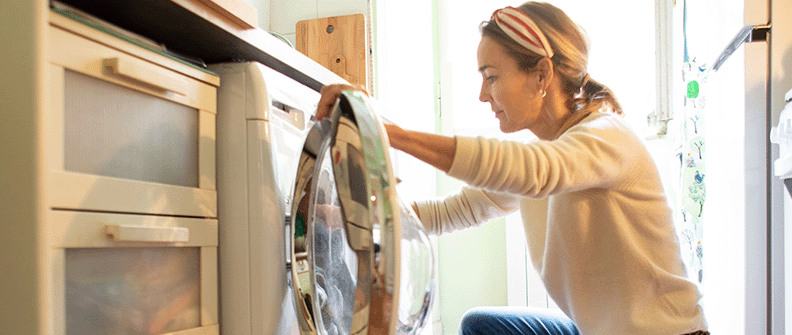
Tumble dryers are among the most energy‑hungry appliances in the home, so cutting back where you can make a real difference.
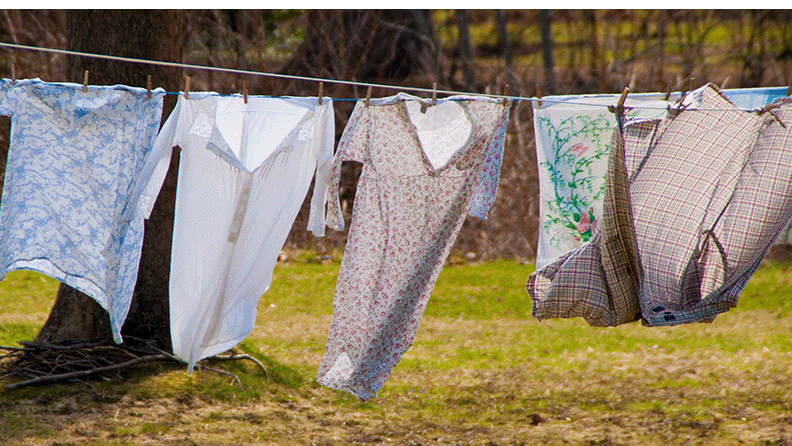
Line dry or air dry when possible
Using a washing line or clothes horse avoids dryer energy altogether and is gentler on fabrics too.
Use the weather to your advantage
A quick check of the forecast can help you plan good drying days and make sure you’re around to bring washing in if the weather turns. Even moving one load a week away from the dryer can build savings over time.
Save the dryer for when it really helps
When you do use a tumble dryer, keep it for items that are harder to dry indoors, such as thick towels or heavy bedding, or when you genuinely need clothes ready quickly.
Keep filters and sensors clean
Empty lint filters regularly and follow the manufacturer’s guidance for condenser or heat‑pump dryers. A clean dryer works more efficiently and dries clothes faster.
Spin smart to cut drying time
How wet clothes are at the end of the wash has a big impact on how long they take to dry.
Use the fastest suitable spin speed
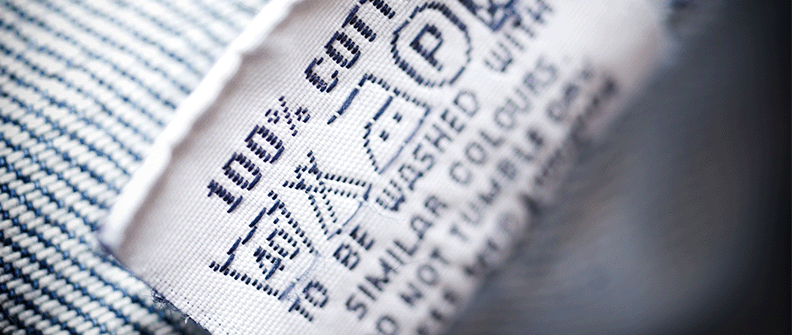
Check care labels and choose the highest spin speed your fabrics can handle. The more water removed in the wash, the less drying time you’ll need afterwards. Delicate items need gentler spins, so they’ll take longer to air dry. Sturdier fabrics like towels and cottons can usually handle higher spins without a problem
Add an extra spin if needed
If clothes still feel very wet, an extra spin is usually quicker and far less energy‑intensive than running a whole new wash and it can significantly reduce drying time.
Ironing with less energy
Ironing uses energy too, but a bit of planning can make it quicker and more efficient.
Work through items by temperature
Start with clothes that need a lower heat, then move up to medium and finish with high‑temperature items. This avoids repeatedly reheating the iron.
Iron in batches
Doing several items in one session uses less energy than switching the iron on for single garments.
Use steam and leftover heat
Steam or a slightly damp cloth can help remove creases faster. Switch the iron off a little early and use the remaining heat for the last few items.
Cut down what you iron
Not everything needs ironing. Shaking clothes out after washing, drying shirts on hangers and smoothing seams while damp can all reduce creases.
Everyday laundry habits that help
Small changes to your routine can improve efficiency across your whole laundry cycle.
Ventilate rooms when drying indoors
Good airflow helps clothes dry faster and reduces damp and condensation, so you’re less likely to overheat the space.
Use sensible load sizes
Avoid overfilling the machine, which can lead to poor washing and repeat cycles, but try not to wash just one or two items unless you really have to.
Follow care labels and fix small repairs
Looking after clothes helps them last longer, cutting down on rewashing and replacement.
Extra resources
For more tips visit our energy saving tips page. For practical, up‑to‑date advice on saving energy across your home, you can visit these trusted public sources:
If you live in the Republic of Ireland
- Sustainable Energy Authority of Ireland (SEAI) for guidance, tools and grants to help you save energy at home.
- Home Energy Upgrade Advice Centre for a collection of guides, videos, FAQs and real-life upgrade stories.
If you live in Northern Ireland
- NI Direct for information on energy advice and grants in your area.
- NI Housing Executive for practical tips to help you save energy and money.
- Consumer Council for Northern Ireland for independent advice on reducing energy use and costs.