Heating your home
Small changes to how you run your heating can make your home more comfortable and reduce your energy use.
Take control of your heating system
Using your heating system efficiently isn’t about feeling cold, it’s about timing, balance and control. Small changes can make a real difference to both comfort and energy use.
Small changes to how you run your heating
- Use your heating controls so heating and hot water only run when you need them, rather than being on all the time. A time clock or programmer helps match heat to your daily routine.
- Plan ahead instead of turning the heat right up. Homes take time to warm up and cool down, so set your heating to come on 30 minutes before you need it and switch off around 30 minutes before you no longer do.
- Make the most of zoned heating. If your system has separate zones (such as upstairs, downstairs or hot water) set each timer and temperature so you’re only heating the spaces you actually use.
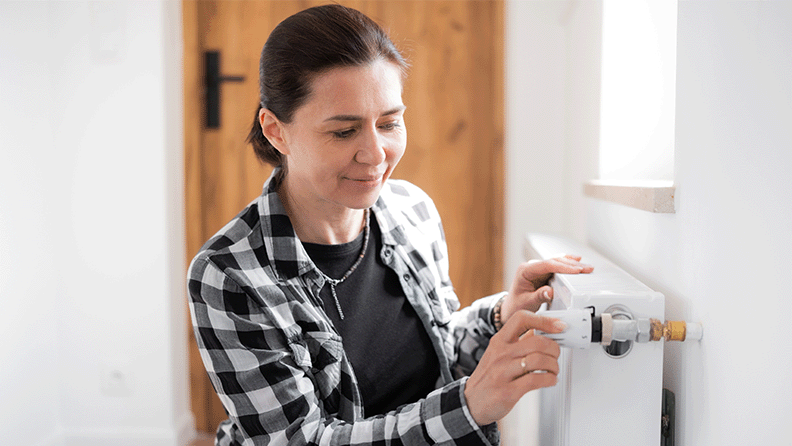
- Use thermostatic radiator valves (TRVs) to turn radiators down, not off, in rooms you use less often. This helps prevent cold spots and damp while still saving energy.
Smart controls and remote management
Smart heating controls make it easier to fine‑tune comfort and avoid wasted energy. There’s a wide range of systems available, at different price points, to suit different homes.
Smart thermostats and heat pumps
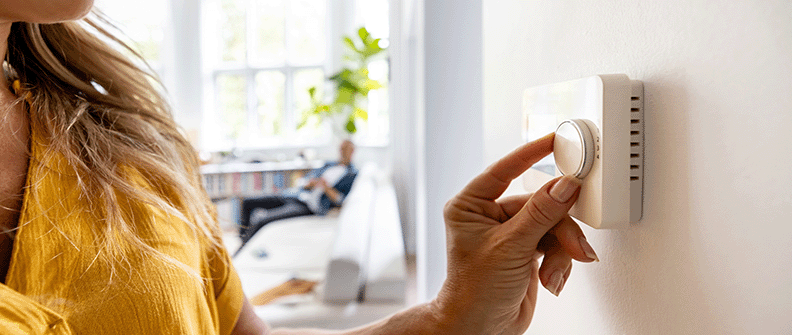
- A smart thermostat allows you to adjust temperatures, set schedules and turn heating on or off from your phone — even when you’re not at home.
- Many smart systems include features such as zoning, weather compensation and load compensation, which automatically adjust heating based on indoor and outdoor conditions. This helps prevent overheating and unnecessary energy use.
- If you have a heat pump, follow your installer’s guidance carefully. Heat pumps work best with lower, steady temperatures and suitable controls, rather than traditional on–off boiler habits.
Choosing the right temperature
There’s no single “perfect” temperature for every home, but some general guidance can help you find the right balance between comfort and efficiency.
Recommended temperatures for Irish homes
- Many sources suggest around 19–20°C for living areas, with slightly cooler temperatures in bedrooms if that feels comfortable for you.
- Turning your thermostat down by just 1°C can reduce heating energy use by around 10% over a year.
- A practical approach is to experiment, lower the temperature one degree at a time until you find the lowest setting that still feels comfortable for your household.
Heat loss in homes
Heating typically uses more energy than any other system in the home. If heat is escaping easily, even the best heating controls won’t deliver the comfort you expect.
Wrap up your home: structural improvements
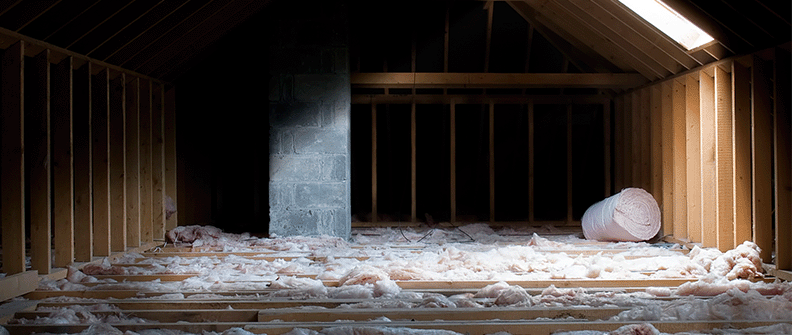
- Insulate your attic. This is often the most effective and affordable upgrade, as heat rises and escapes quickly through an uninsulated roof.
- Add cavity wall insulation where suitable. Unfilled cavity walls are a common source of heat loss in Irish homes.
- Over time, consider floor insulation and upgrading windows and external doors, with better glazing, tighter seals and good‑quality frames.
Simple draught‑proofing wins
- Seal gaps around doors, windows and floorboards using appropriate draught‑proofing products.
- Fit draught excluders to letterboxes and around external doors but always leave air vents and flues open for safety.
- If you have an open fireplace you don’t use, a removable chimney draught excluder or suitable seal can make a noticeable difference.
Support available in the Republic of Ireland
Homeowners in the Republic of Ireland can access a range of supports to help improve heating efficiency.
- The Sustainable Energy Authority of Ireland (SEAI) offers grants for home energy upgrades, including insulation, windows and doors, heat pumps and solar PV.
- You can choose a deep retrofit through a One Stop Shop, where the entire upgrade is managed for you, or apply for individual grants for specific measures such as attic or cavity wall insulation.
- Households on certain welfare payments may qualify for fully funded upgrades under dedicated schemes.
Support available in Northern Ireland
Support is also available to help households improve heating efficiency and comfort.
- Local schemes and advice services can help with attic and cavity wall insulation, draught‑proofing and heating improvements, particularly for low‑income or hard‑to‑heat homes.
- Eligibility usually depends on income, benefits, property type and current energy performance, so it’s worth checking what support is available in your area.
- Combining grant support with low‑cost actions such as draught‑proofing and pipe insulation can deliver the best overall results.
Don’t forget the basics
Even with good heating controls, everyday habits still play a big role in keeping your home warm.
Everyday habits that keep heat in
- Keep radiators clear of furniture and long curtains so warm air can circulate properly.
- Close internal doors to keep heat in the rooms you’re using and reduce draughts around the home.
- Bleed radiators if they’re cold at the top and warm at the bottom — trapped air reduces efficiency.
- Use carpets or rugs on bare floors, especially in older homes with suspended timber floors.
- Change bedding with the seasons. A higher‑tog duvet or extra blanket can make winter nights feel cosy, while lighter bedding improves comfort in warmer months.
- Make the most of your curtains — open them during the day for natural warmth and light, and close them at night to keep heat in.
Keep your system safe and efficient
Regular maintenance helps your heating system run safely, efficiently and reliably.
Servicing, safety and upgrades
- Arrange an annual service for gas or oil boilers with a registered, qualified technician. Ask them to check your controls are set up properly — many households miss out on savings simply because controls weren’t explained.
Extra resources
For more tips visit our energy saving tips page. For practical, up‑to‑date advice on saving energy across your home, you can visit these trusted public sources:
If you live in the Republic of Ireland
- Sustainable Energy Authority of Ireland (SEAI) for guidance, tools and grants to help you save energy at home.
- Home Energy Upgrade Advice Centre for a collection of guides, videos, FAQs and real-life upgrade stories
If you live in Northern Ireland
- NI Direct for information on energy advice and grants in your area.
- NI Housing Executive for practical tips to help you save energy and money.
- Consumer Council for Northern Ireland for independent advice on reducing energy use and costs.