Choosing and using efficient lighting and appliances
Lighting and household appliances are among the biggest users of electricity in most homes. The good news is that small changes in what you buy, and how you use it, can make a real difference to your energy use and your electricity bills.
Look for the Energy Label when you buy
When choosing a new appliance, always check the Energy Label. It helps you compare models and understand how much electricity they typically use.
Understanding energy ratings
Across Europe and the UK, most appliances use an A–G rating scale, where A is the most energy‑efficient and G is the least efficient for that product type. The label also shows:
- Estimated annual electricity use in kilowatt hours (kWh)
- Noise levels
- Capacity or size, where relevant
This makes it easier to compare running costs, not just the purchase price.
Choosing efficient TVs and displays
For TVs and displays, modern LED LCD models are usually more energy efficient than older plasma TVs of the same size, which tend to use more electricity and give off more heat.
If you can, choose the most efficient model that suits your needs and budget. Over time, lower running costs can often outweigh a slightly higher upfront price.

Use monitoring and smart controls wisely
Understanding where your electricity goes makes it easier to cut waste and spot opportunities to save.
Track your electricity use
- A home energy monitor or smart in‑home display can show your electricity use in real time.
- This helps you identify spikes in usage when certain appliances are running.
Make the most of smart meters
If you live in the Republic of Ireland and have a smart meter, you could move to a time‑of‑use electricity tariff. These tariffs give you lower electricity rates at certain times of day. That means you can save by running everyday appliances like your washing machine or dishwasher during off‑peak hours.
When you’re on a smart tariff, you’ll also get access to Smart Insights through your online SSE Airtricity account.
Smart Insights shows you a clear, detailed picture of how you use energy each day. Your electricity use is broken down into easy‑to‑understand 30‑minute intervals, helping you see the impact of changes, spot patterns, shift usage to cheaper times and take more control of your energy. Visit our Smart Hub to learn more.
Switch off and look after your appliances
How you use and maintain appliances matters almost as much as which ones you buy.
Avoid unnecessary electricity use
- Switch appliances off when they’re not in use, especially overnight or when you’re out for more than an hour.
- Many devices still use electricity when left on standby.
Keep appliances running efficiently
- Keep appliances clean and well maintained.
- Clean tumble‑dryer lint filters after each use.
- Occasionally dust or vacuum fridge and freezer coils where it’s safe to do so.
- Make sure vents and air inlets on appliances such as fridges, freezers and heaters aren’t blocked, as restricted airflow can increase energy use and shorten appliance life.
Tackle “vampire” standby devices
Many modern devices use a small amount of electricity even when they appear to be switched off. These are often called vampire or standby devices.
Common standby devices
Examples include:
- TVs and sound systems
- Games consoles and set‑top boxes
- Smart speakers and printers
- Broadband routers
- Chargers left plugged in
Each device may only use a small amount of power, but across a whole home this “phantom load” can add up over the year.
Simple ways to reduce standby power
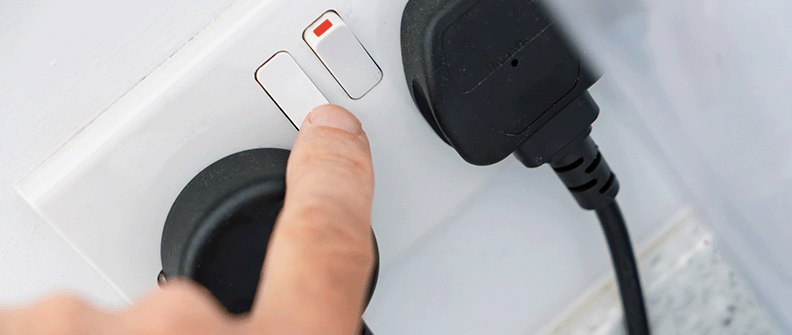
- Switch devices off at the socket when you’re not using them.
- Use switched extension leads or smart plugs to turn off multiple devices at once, such as a TV, console and sound system.
- For equipment that needs to stay on, like broadband routers or medical devices, focus on replacing very old models with more efficient ones when it’s time to upgrade.
Extra resources
For more tips visit our energy saving tips page. For practical, up‑to‑date advice on saving energy across your home, you can visit these trusted public sources:
If you live in the Republic of Ireland
- Sustainable Energy Authority of Ireland (SEAI) for guidance, tools and grants to help you save energy at home.
- Home Energy Upgrade Advice Centre for a collection of guides, videos, FAQs and real-life upgrade stories
If you live in Northern Ireland
- NI Direct for information on energy advice and grants in your area.
- NI Housing Executive for practical tips to help you save energy and money.
- Consumer Council for Northern Ireland for independent advice on reducing energy use and costs.